Contractors insurance is a set of policies designed to protect your business from job-site liability claims, employee injuries, vehicle accidents, property losses, and contract requirements that can stop a project overnight. The right setup depends on your trade (general contractor, roofing, HVAC, plumbing, electrical), whether you use subcontractors, and whether you drive business vehicles to job sites.
What contractors typically need
Most contractors build coverage around general liability, workers’ comp (if they have employees), and commercial auto (if they use vehicles for work), then add job-site/property protections based on contracts and tools exposure. A Business Owners Policy (BOP) typically bundles general liability with commercial property coverage (and often business income), which can work well if you also have an office or shop.
Common policies contractors shop for (and why they matter):
- General liability insurance: Covers third-party bodily injury/property damage claims (e.g., a client trips over materials; accidental damage to a customer’s home).
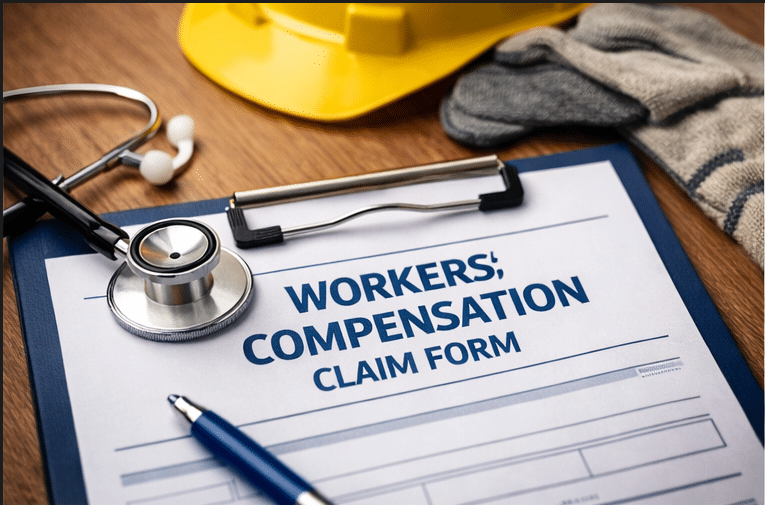
- Workers’ compensation insurance: Covers employee injuries and employer liability; it’s separate from general liability and addresses a different type of risk.
- Commercial auto insurance: Needed for pickups, cargo vans, and box trucks used for work; especially important for “commercial auto insurance for small business” and multi-driver operations.
- Tools & equipment (inland marine): Helps protect tools on the job site, in transit, or in a trailer (a frequent gap if you only buy a basic office policy).
- Builders risk insurance: Covers certain property losses during a construction/renovation project (often required by owners, lenders, or GCs).
- Umbrella/excess liability: Adds higher limits above GL/auto/employer’s liability for severe claims.
- Bonding (surety bonds): Often required for licensing or contracts (not the same as insurance, but commonly requested alongside certificates).
Coverage by trade (what to emphasize)
Contractors don’t all price or underwrite the same, so your guide should speak directly to trade-specific exposures—this is where long-tail traffic converts best.
- General contractors: Subcontractor risk transfer (certs + additional insured), completed operations, higher limits, and contractual liability are usually central.
- Roofing: “Roofing public liability insurance” is often tougher/expensive due to height and severity exposure; expect more scrutiny on safety controls and crew classification.
- HVAC/plumbing/electrical: A lot of claims come from water damage, fire hazards, and mistakes that show up later; completed operations and quality-control documentation matter.
- Handyman/home services: Many need “independent contractor liability insurance” with fast certificates for clients, platforms, and property managers.
- Landscaping/exterior work: Slip-and-fall, property damage, and trailer/tool theft tend to be common drivers; hired & non-owned auto can matter if crews drive personal vehicles.
Cost drivers (how “general contractor insurance cost” is priced)
There is no single average that fits every contractor; pricing is mostly determined by operations, payroll, revenue, claims history, and contract-driven limits. If someone is searching “cheap general contractor insurance,” your guide should help them lower cost the right way—by tightening risk profile and matching coverage to the real operation—rather than underinsuring.
The biggest pricing levers:
- Trade class and job types (residential vs commercial, new build vs remodel, specialty work like roofing).
- Payroll and number of employees (especially for workers comp), use of subs, and whether subs carry their own coverage.
- Revenue and project size, plus whether you do work in high-risk environments (schools, hospitals, high-rise, public works).
- Vehicle use (radius, driver history, number of vehicles) for commercial auto.
- Prior insurance and claims (lapses usually raise price; documented safety programs can help).
- Limits required by contracts (higher GL limits, umbrella requirements, additional insured endorsements).
Companies

Travelers Insurance Complete Hub: BOP, Commercial Property, Workers Comp & Liability Coverage 2026
Travelers Insurance delivers sophisticated commercial insurance solutions for mid-market businesses including businessRead more
The Hartford Insurance Complete Hub: BOP, Workers Comp, Professional Liability & Cyber Coverage 2026
The Hartford Insurance provides comprehensive small to mid-size business insurance including businessRead more
State Farm Insurance Complete Hub: Commercial Auto, BOP, Workers Comp & Business Coverage 2026
State Farm Insurance is America’s largest property/casualty insurer with extensive commercial insuranceRead more
Progressive Insurance Complete Hub: Commercial Auto, Trucking, BOP & Small Business Coverage 2026
Progressive Insurance is the leading commercial auto insurance company in the USARead more
Next Insurance Complete Hub: Instant Workers Comp, General Liability, BOP & Professional Coverage 2026
Next Insurance revolutionizes small business insurance with instant online quotes and bindingRead moreNationwide Insurance Complete Hub: BOP, Farm, Commercial Auto, Workers Comp & Liability Coverage 2026
Nationwide Insurance offers versatile commercial coverage including business owners policy BOP, farmRead more
Liberty Mutual Insurance Complete Hub: Workers Comp, Commercial Auto, BOP & Business Coverage 2026
Liberty Mutual Insurance delivers comprehensive commercial solutions including workers compensation insurance, commercialRead moreHiscox Insurance Complete Hub: Professional Liability, Cyber, General Liability & BOP Coverage 2026
Hiscox Insurance specializes in professional liability insurance (E&O), cyber liability insurance, generalRead more
Chubb Insurance Complete Hub: Workers Comp, BOP, High Value Property, Cyber & Commercial Coverage 2026
Chubb Insurance (formerly ACE Limited) provides premium commercial insurance solutions including workersRead more
AmTrust Insurance Complete Hub: Workers Comp, BOP, General Liability, Commercial Auto & Cyber Coverage 2026
AmTrust Financial Services offers comprehensive insurance solutions including workers compensation insurance, businessRead more






How to buy and compare quotes (contract-ready)
Your goal is to make the reader’s quote requests clean and comparable—this is how you win cost-intent traffic and reduce bounce.
Quote checklist (copy/paste for your readers):
- Business profile: Years in business, entity type, states worked, licenses, website, description of services.
- Revenue + payroll: Annual revenue, payroll by class code, owners’ draws, 1099 vs W‑2 split.
- Subcontractors: % of work subcontracted, certificate tracking process, additional insured requirements.
- Typical jobs: Average project size, largest project size, residential/commercial mix, any roofing/height work.
- Vehicles: VINs, garaging ZIP, radius, driver list, MVR issues, trailer use.
- Limits needed: GL limits, umbrella target, builders risk requirements, additional insured wording, waiver of subrogation needs.
- Tools/equipment: Total tool value, storage (shop/truck/trailer), theft controls, any leased equipment.
Practical “contractor-proof” tips:
- Ask for certificates that match your contracts (additional insured + waiver of subrogation when required).
- Keep subcontractor compliance documented; many claims disputes start with missing COIs.
- If you have employees, confirm the difference between general liability and workers comp so you don’t assume one replaces the other.
FAQs (contractors & construction)
Do I need a BOP as a contractor?
What insurance do most general contractors require from subcontractors?
Typically general liability with specific limits, additional insured status, and sometimes workers comp; many also require proof before any work starts.
Is “independent contractor liability insurance” different from general liability?
Most of the time, that phrase refers to a general liability policy (sometimes packaged with tools coverage), but the right setup depends on whether you also drive for work or need professional liability for design/advice.
Why is roofing insurance so expensive?
Roofing claims can be severe (injuries, falls, property damage), so underwriters often price it higher and require tighter safety controls and higher deductibles.
Do contractors need cyber liability insurance?
If you invoice via email, store customer data, or rely on online banking, cyber can be relevant—especially for business email compromise and ransomware downtime.
More guides:

Next Insurance Workers Comp & The Hartford Small Business Insurance Complete Guide 2026
Next insurance workers comp delivers instant online coverage starting at $25/month forRead more
Workers Comp Insurance: The Essential Guide Every Employer Must Know in 2026
Workers comp insurance is a critical safeguard for businesses and employees alike.Read more
Progressive Insurance: Complete USA Authority Guide 2026 – ForAgentsOnly & Commercial Leader
Progressive Insurance dominates USA property & casualty markets through progressive.com, progressivelogin, andRead more